Juno
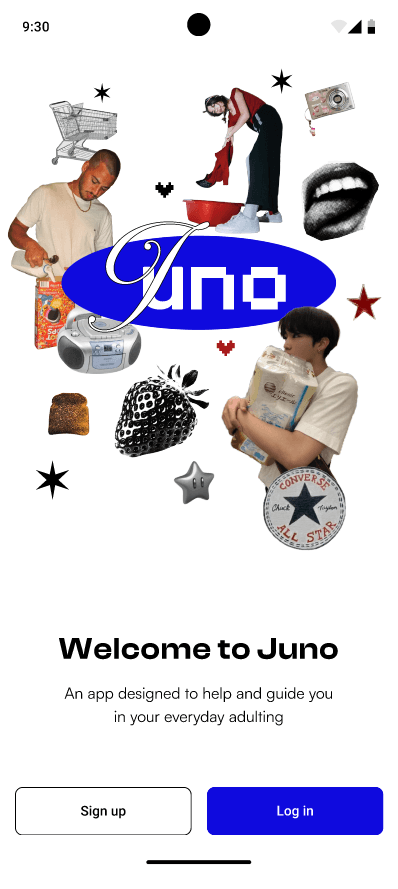
Helping young adults navigate the daily challenges of the 21st century. It features a social-like platform where users can learn and share their knowledge on daily life matters and tasks.
Project type: End-to-end mobile app + branding
Role: Sole UX/UI Designer + brand designer (with support from my master's thesis coordinator, Iván Jiménez)
Industry: Education & Personal Development
Tools: Figma, FigJam, Notion
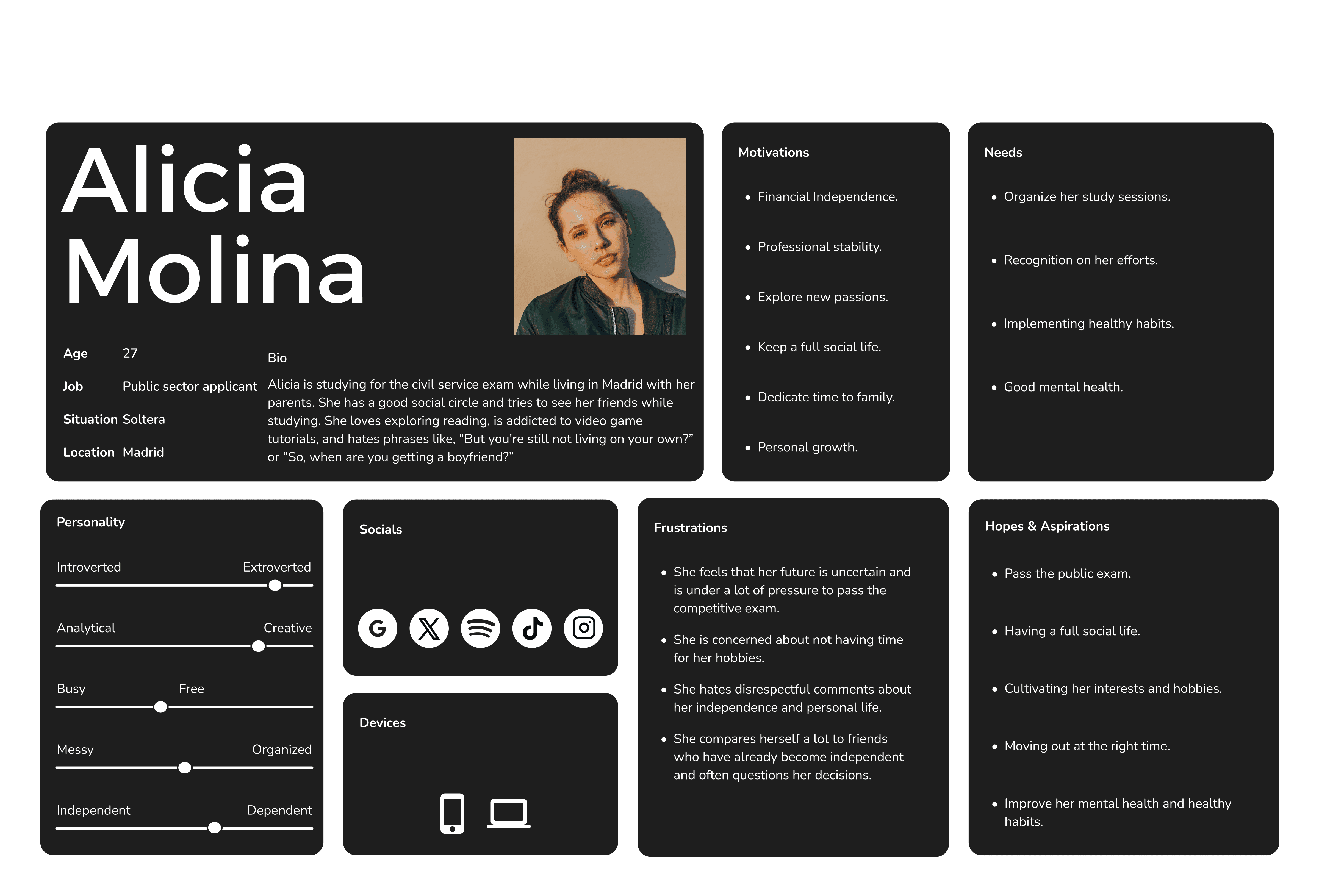
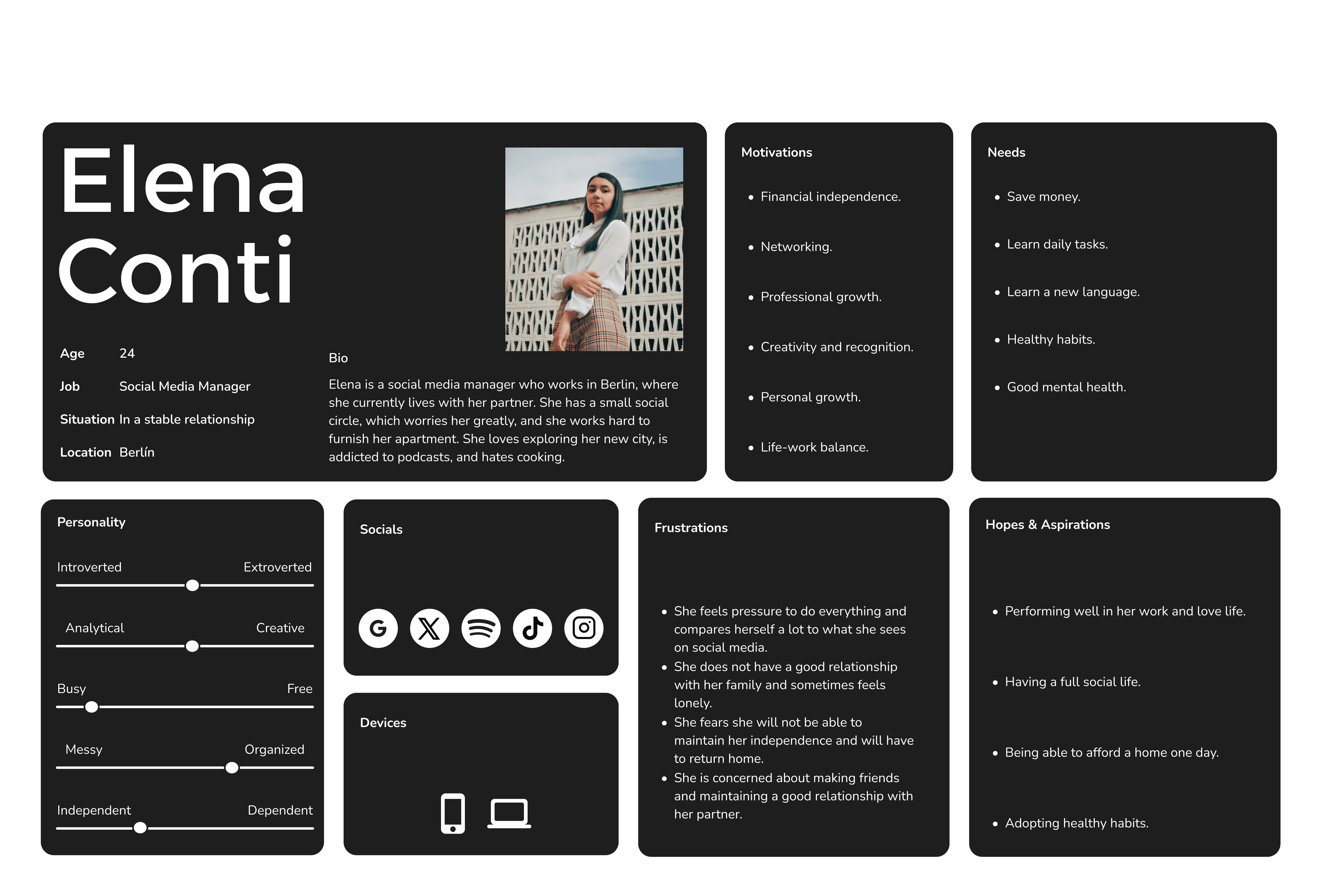
Young adults between the ages of 19 and 30 who are independent or in the process of becoming independent.
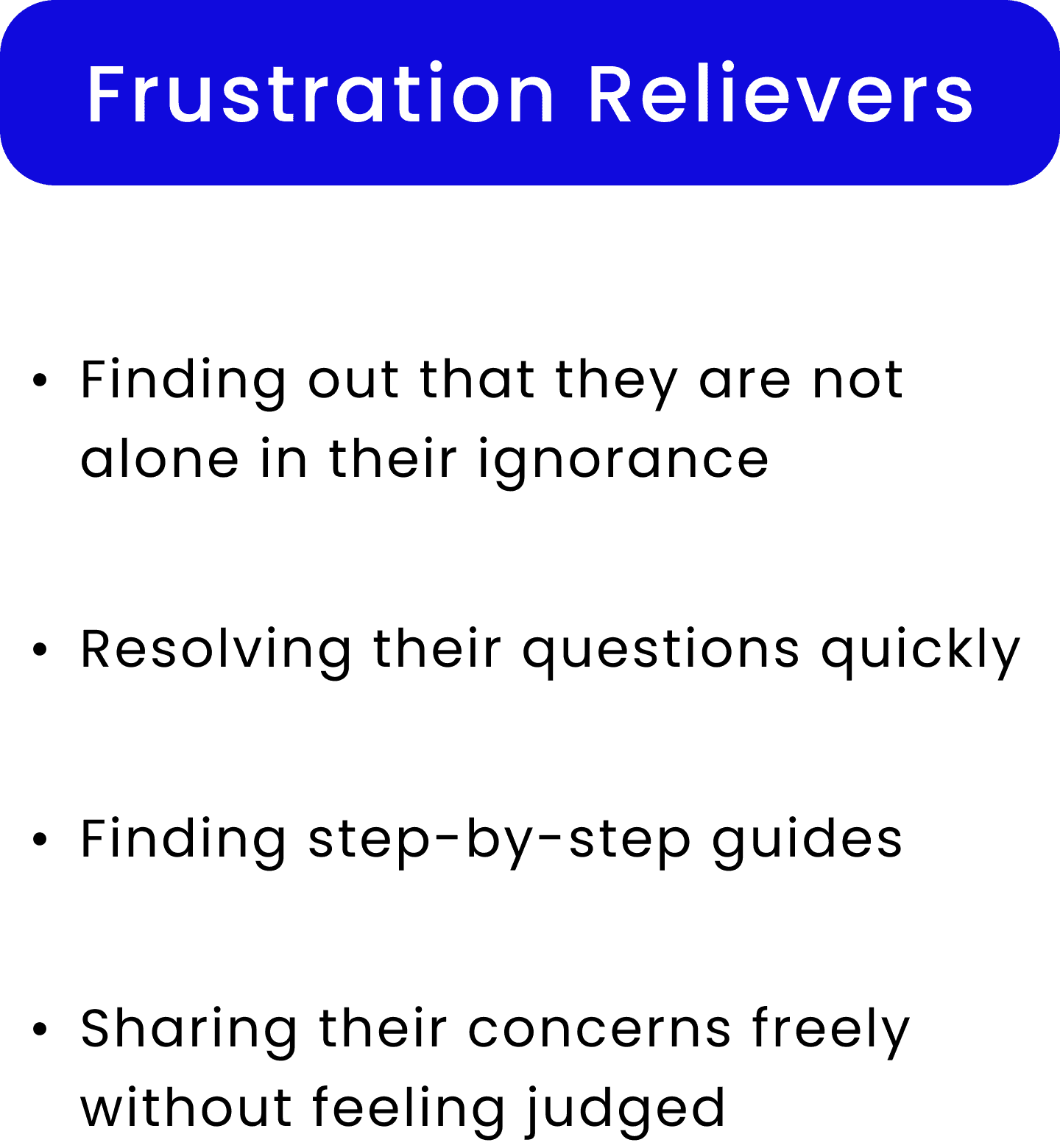
Lacking clear guidance for everyday life challenges, some young adults turn to their families for advice. However, many do not have that safety net, leaving them without the support needed to navigate new challenges.
This situation impacts their well-being and mental health, as they feel pressured to meet family, professional, economic, and personal expectations within set timelines.
Making a product which improves the mental health of young adults by providing them with a safe space, resources, and a support network to help navigate their path to independence.
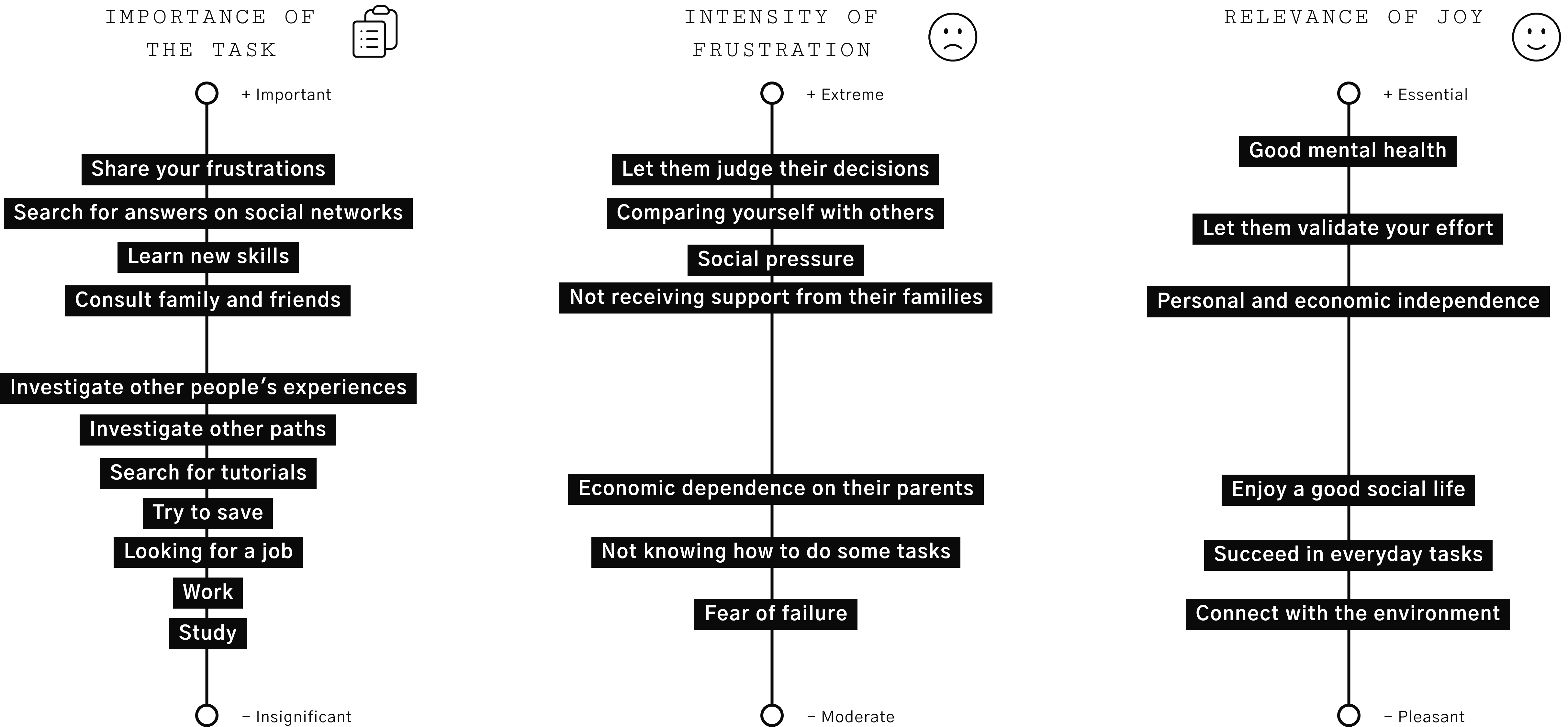
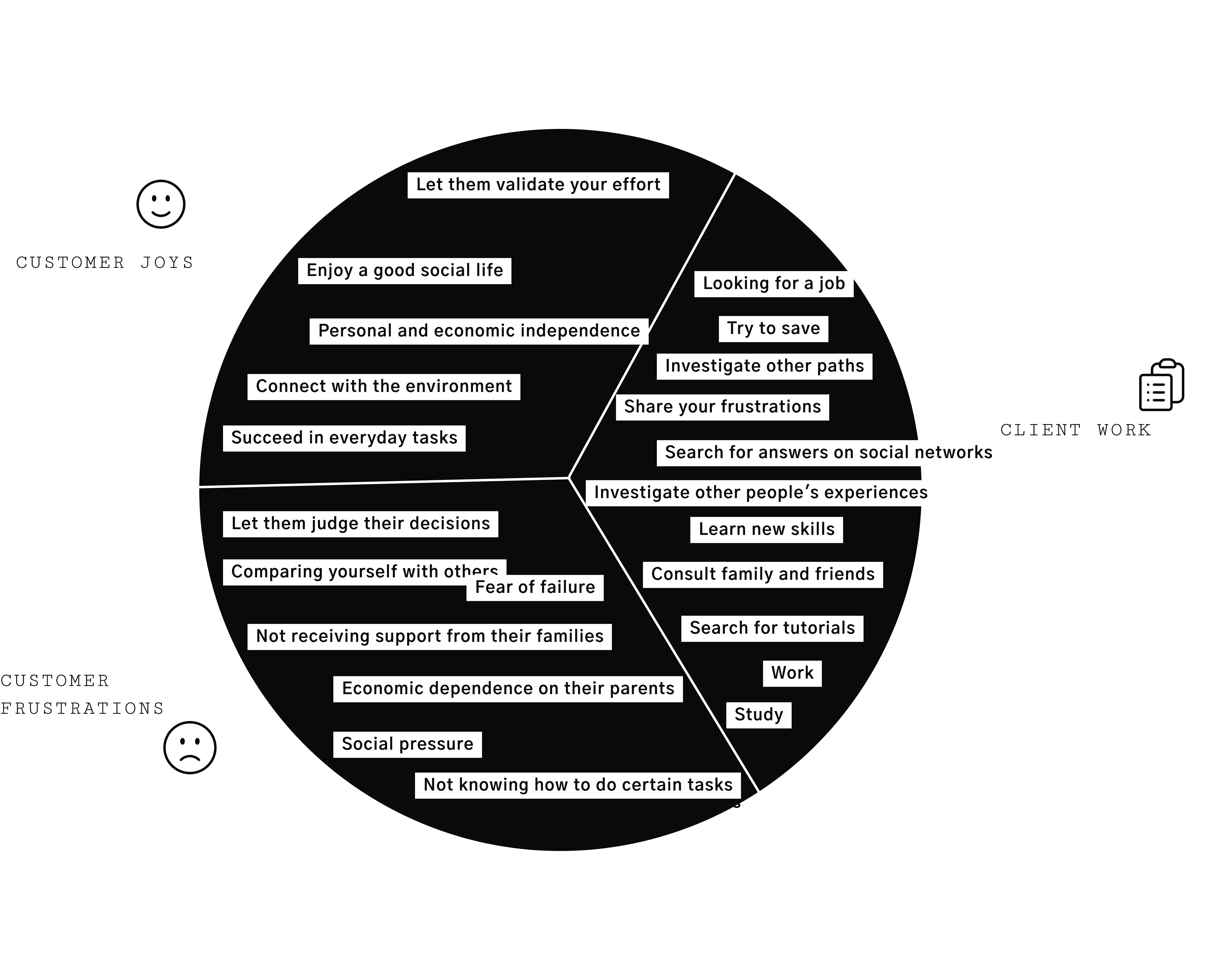
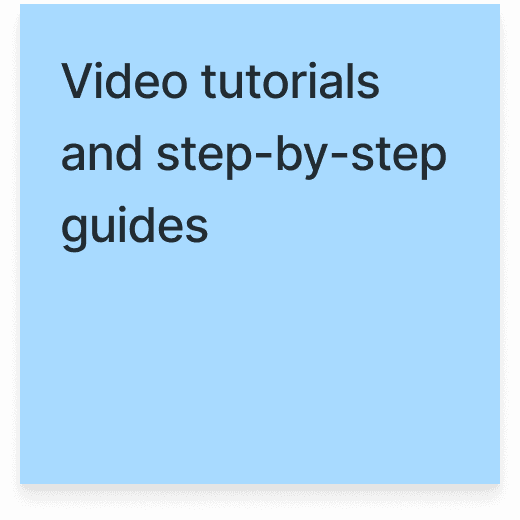
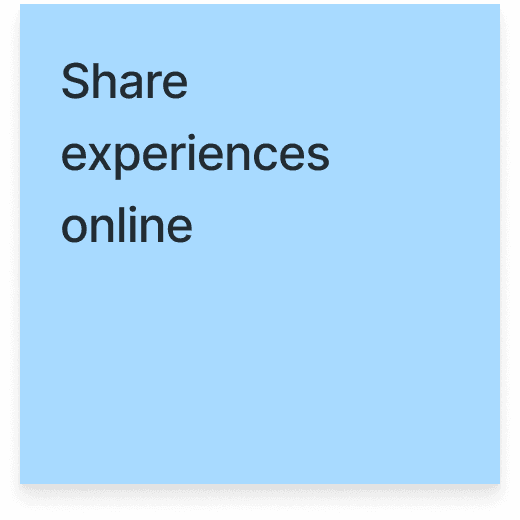
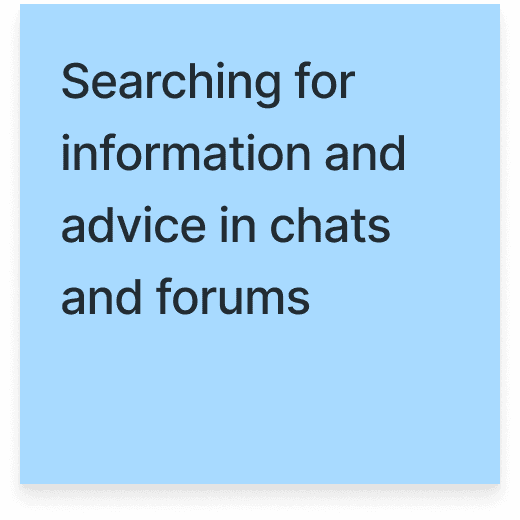
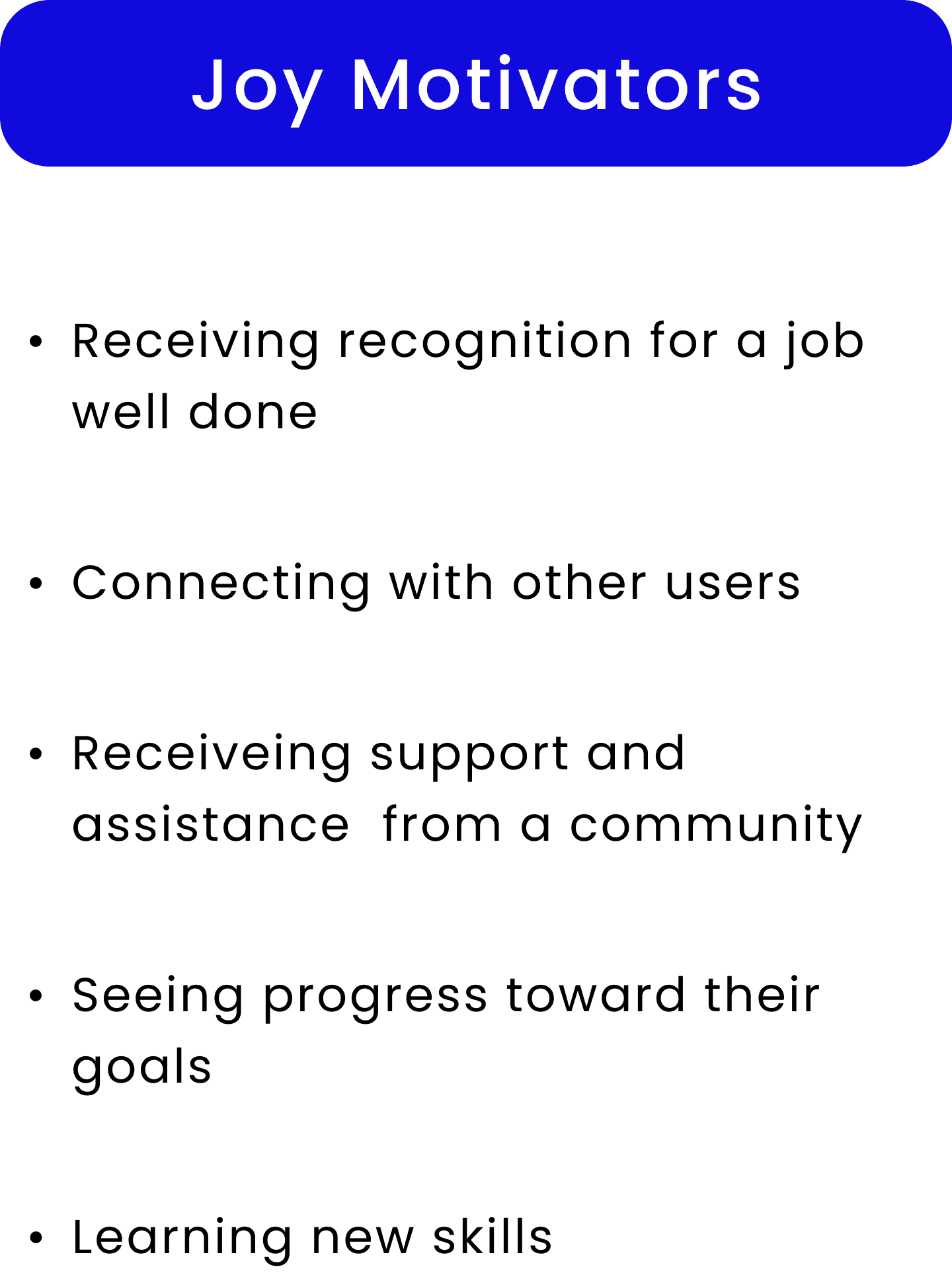
Know their joys, strengths and weaknesses
Know their joys, strengths and weaknesses
How might we, through a digital experience, support and guide young people in their transition to adulthood without pressure or judgment?
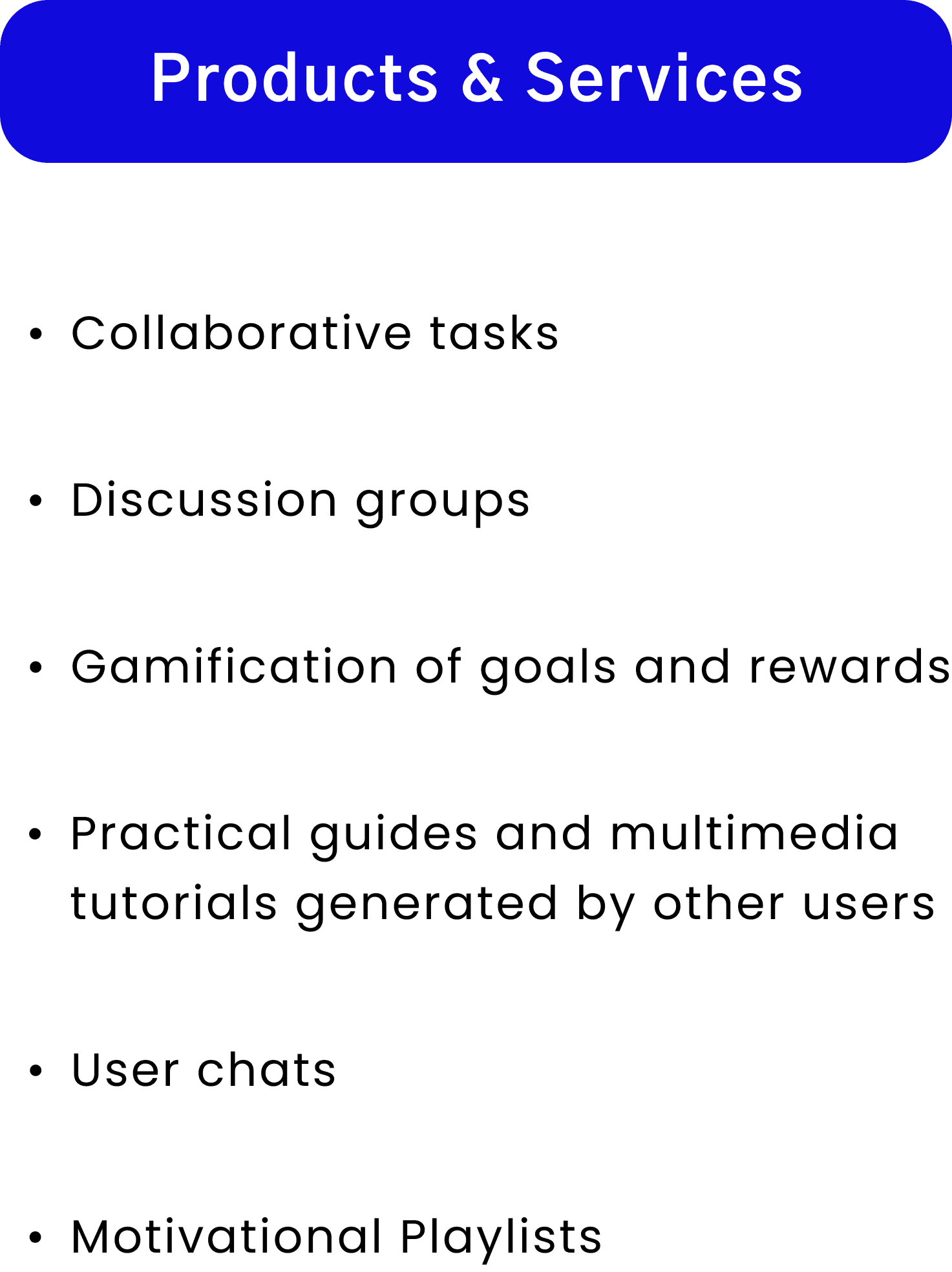
Create an educational app that offers guidance to young people on how to survive adulthood. It will feature practical guides to everyday tasks and a support network for young people who feel alone in their quest for independence. It's important that it raises public awareness about youth mental health.
I conducted a competitive analysis to find out behaviors and trends that already exist in everyday life regarding educational apps and sites.
Motivate users to complete objectives and tasks?
Reduce fear and anxiety about doing tasks poorly or failing to meet objectives?
Enable users to learn how to perform everyday tasks without prior experience?
After defining the value proposal and doing a content brainstorming, I organized those ideas on a sitemap. I also traced the first user flow, to gain insight on what the user might think and do when interacting with this information architecture. The main goal being to learn a new skill.
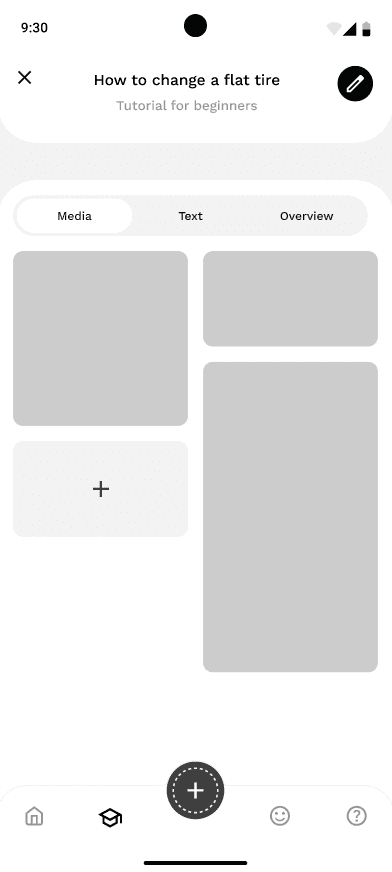
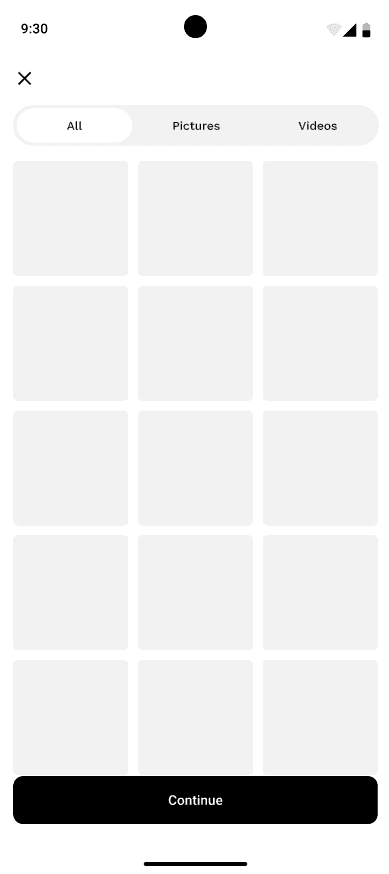
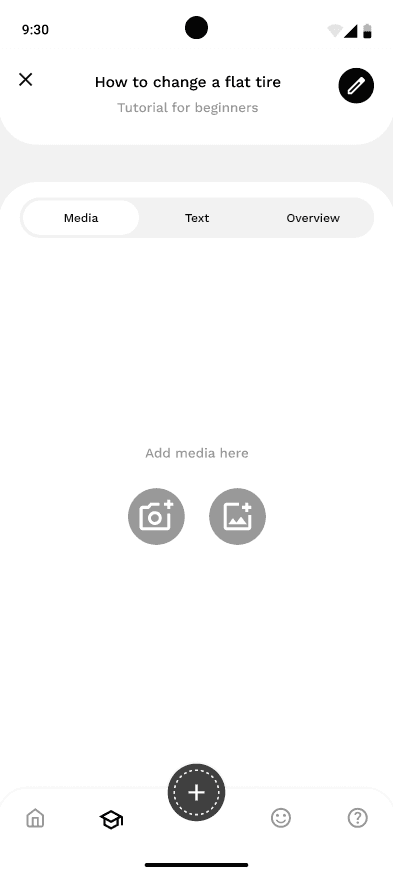
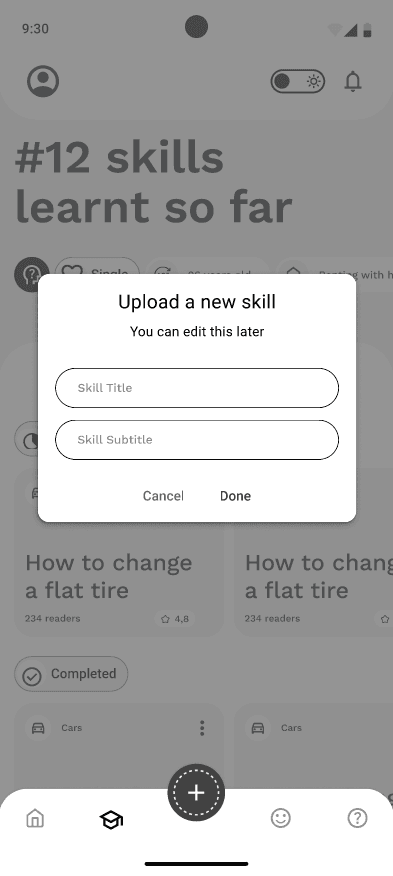
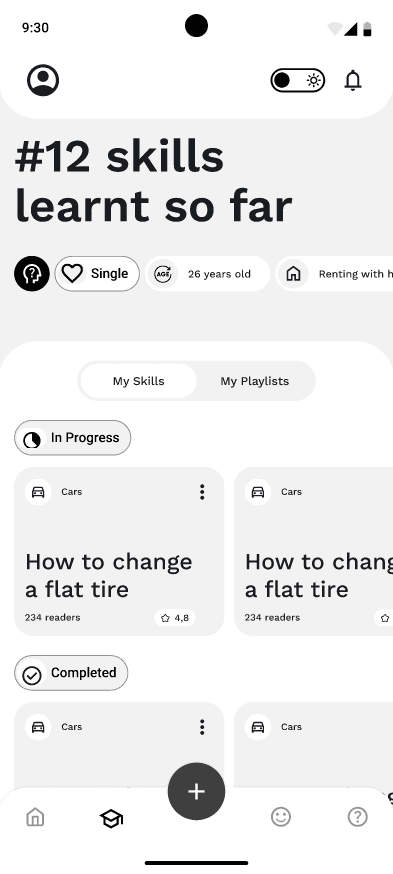
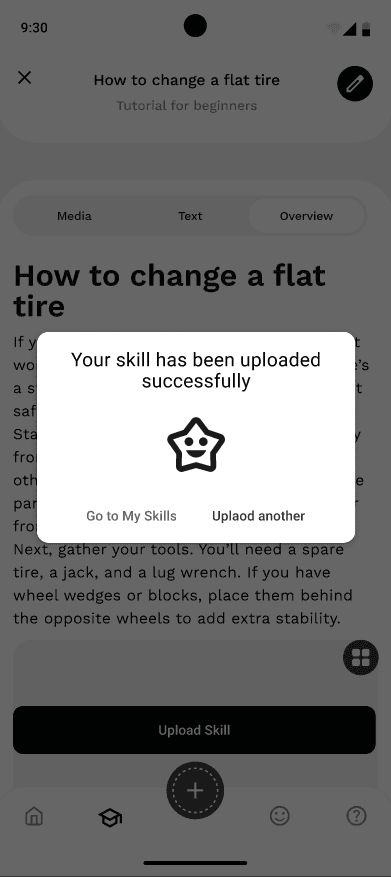
Mobile phones showing screens from the low-fi prototype: home, upload skill modal, add media, media gallery, selected media dashboard.
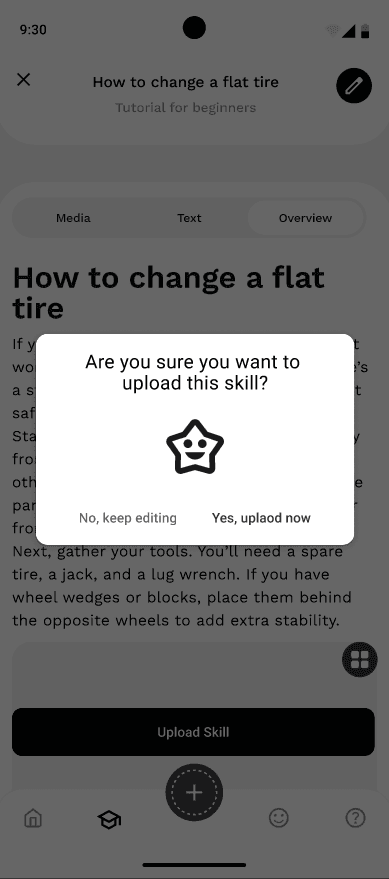
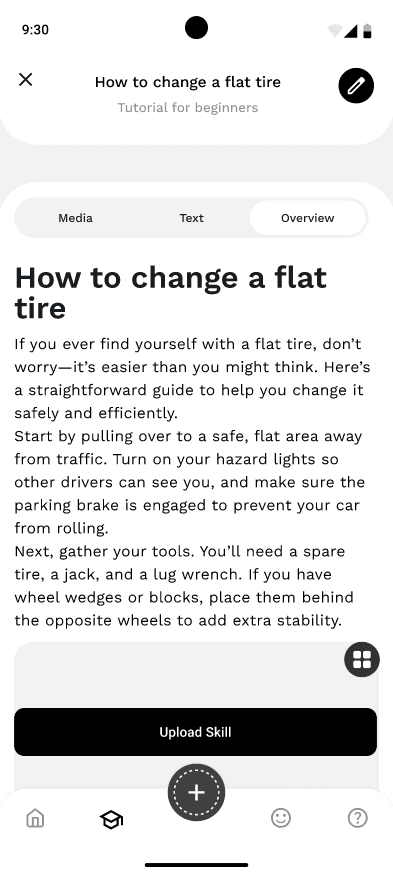
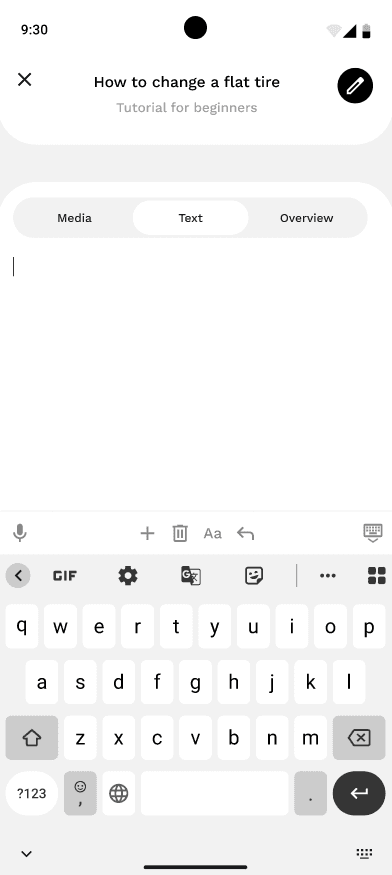
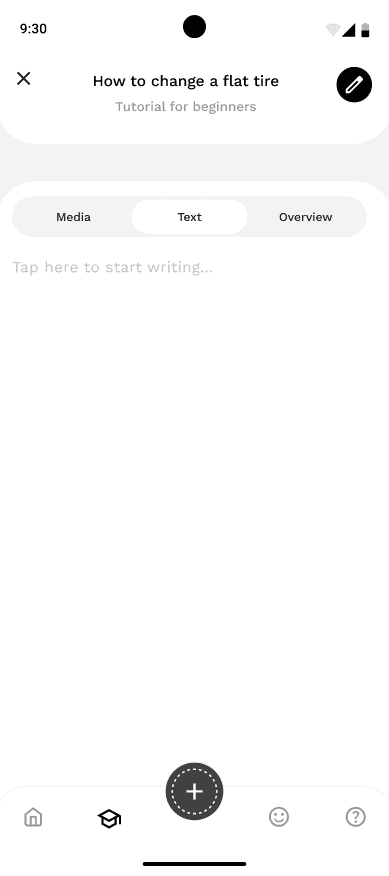
Mobile phones showing screens from the low-fi prototype: add text, text writing tools, skill overview, upload skill confirmation modal, skill uploaded successfully modal.
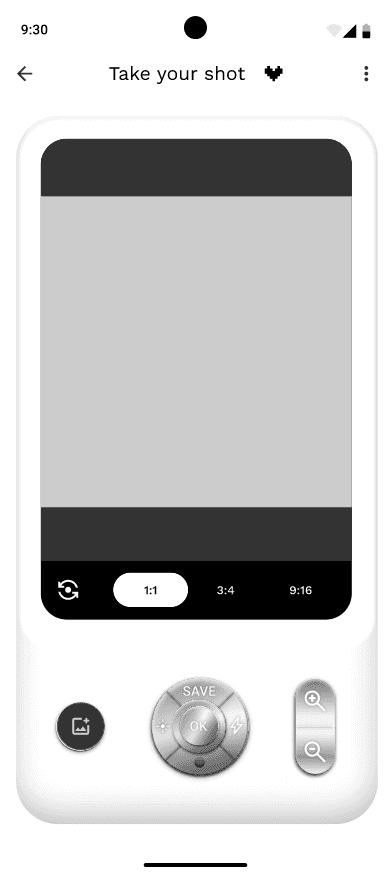
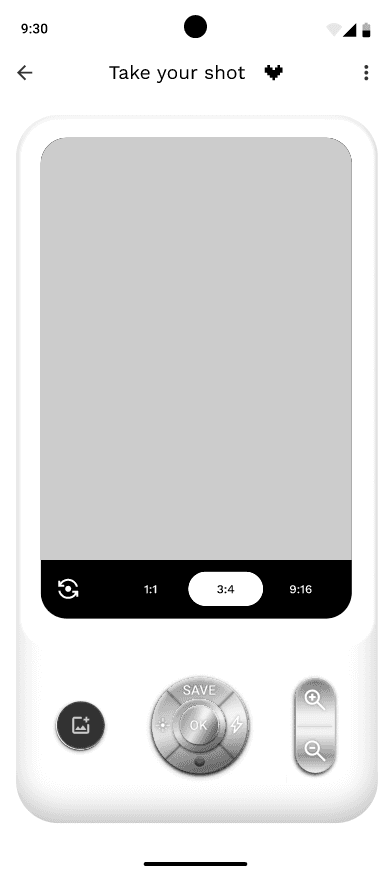
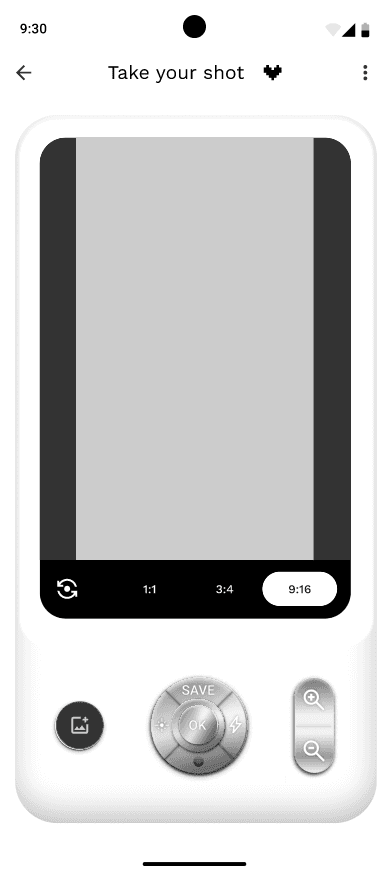
Adapting the picture format
To ensure the app recognizes the picture format, I added a camera-like feature that crops and adjusts images or videos taken either with the camera lens or from the media gallery.
"Screens feel too crowded"
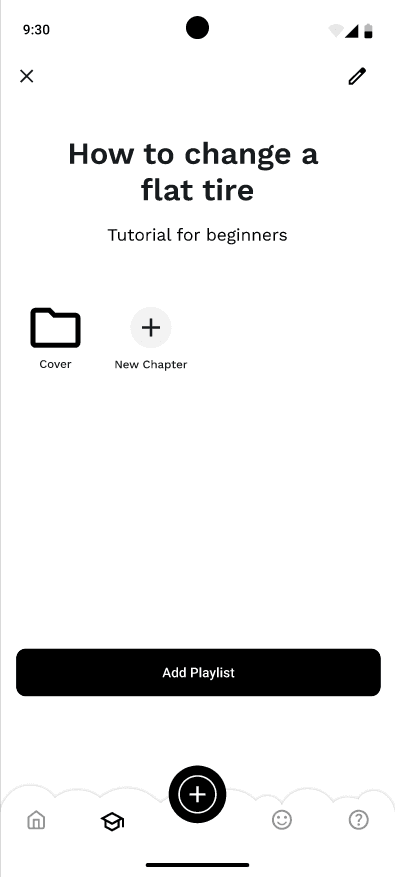
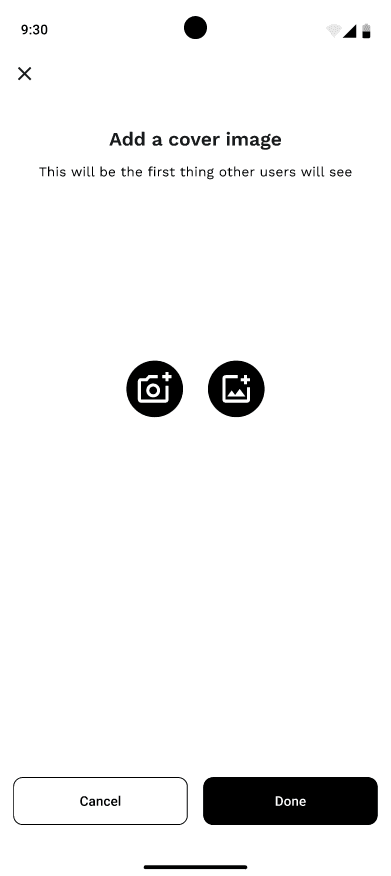
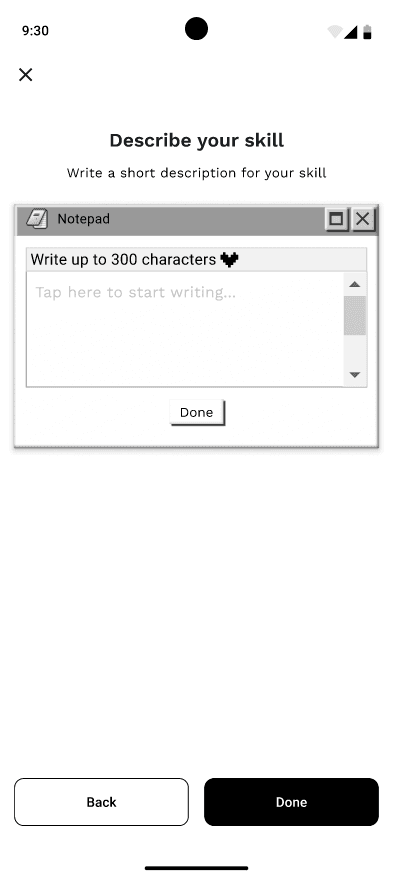
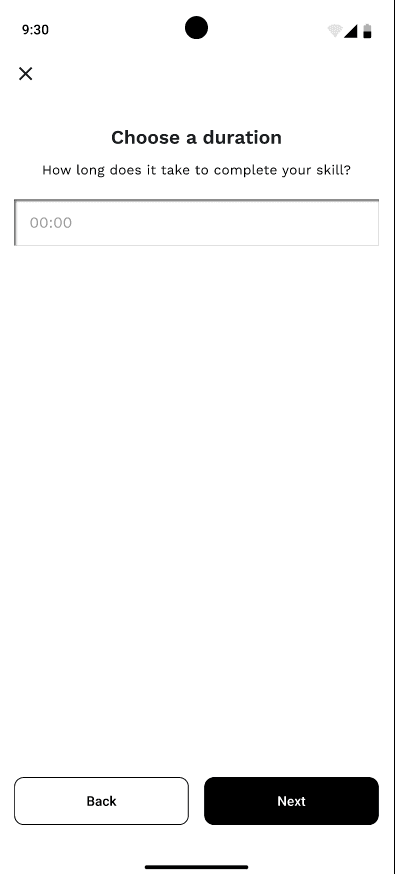
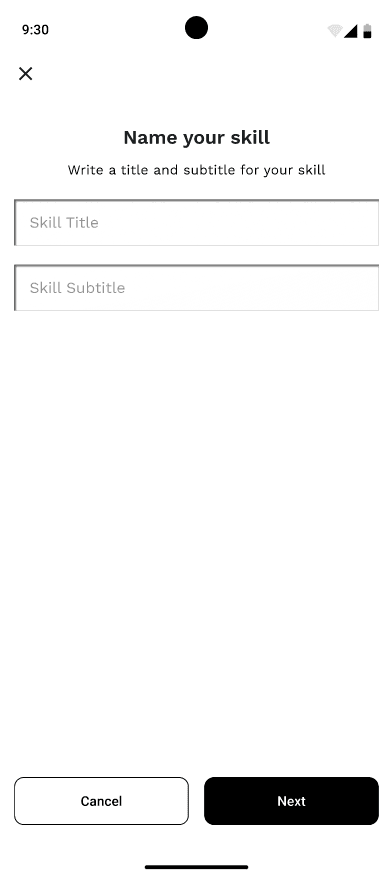
After receiving initial user feedback, I opted for a cleaner look on the Upload Skill screens. Instead of using modals over the main screen, the flow now opens in a dedicated section that guides the user step by step.
The final skill overview also felt too crowded, so I divided the content into chapters and introduced a cover page, editable only by the creator in the Upload Skill section. This cover page is the first thing users see when they tap on a skill card.
Art Direction | Moodboard
Art Direction | Moodboard
The purpose of Juno is to help young people without making them feel judged. We are looking for a fresh, fun, attractive, disruptive, and slightly chaotic style.
I opted for an aesthetic that combines digital and analog elements in Y2K, unhinged, sassy, and punk styles. The colors are bold, creating a grungy and strong visual impact that resonates with Generation Z.
Branding that feels chaotic and relatable
Branding that feels chaotic and relatable
Juno
Brand name
"Juno" is a catchy, friendly name symbolizing guidance, protection, and resilience for young adults navigating life’s challenges.
Font
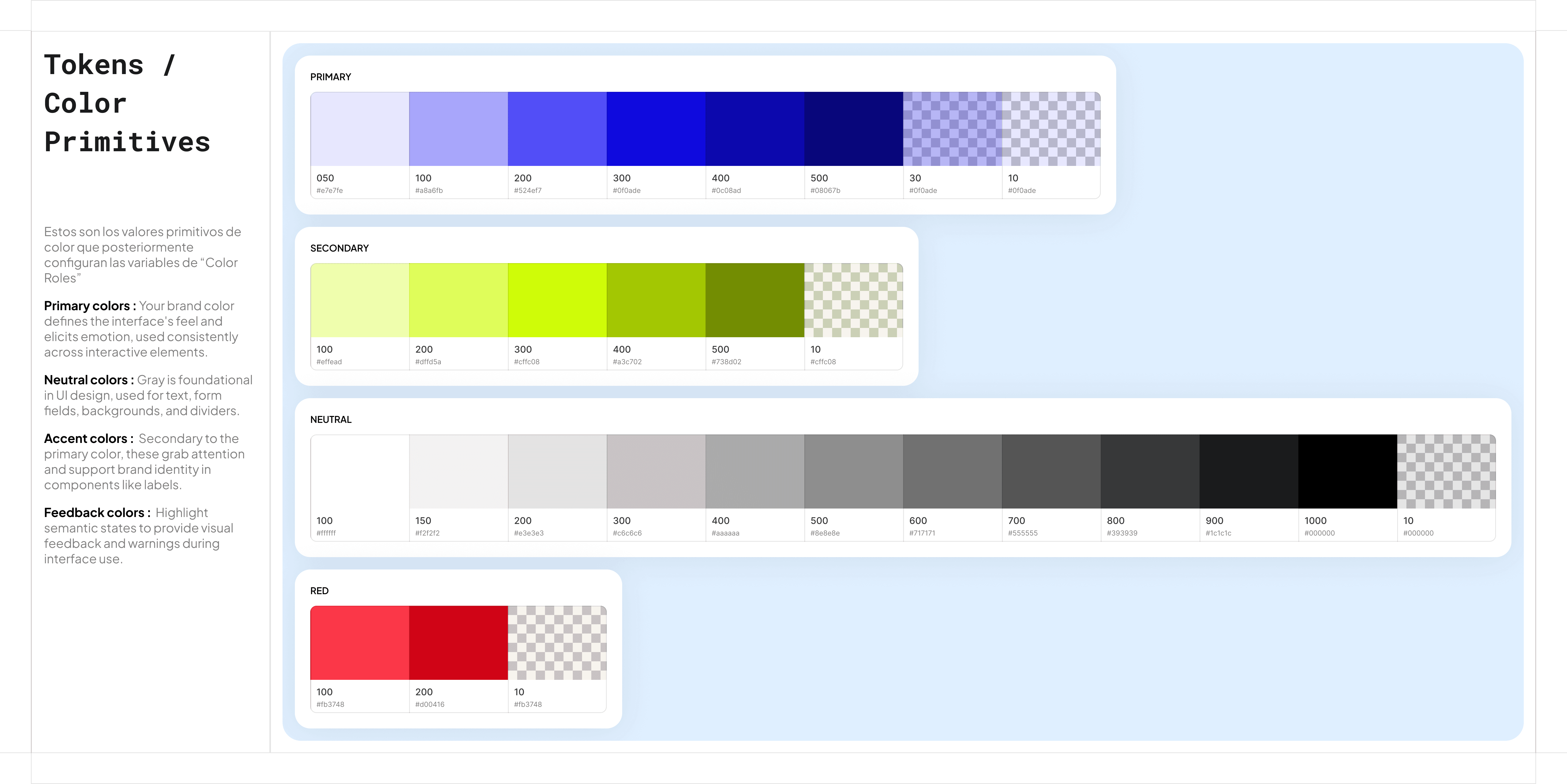
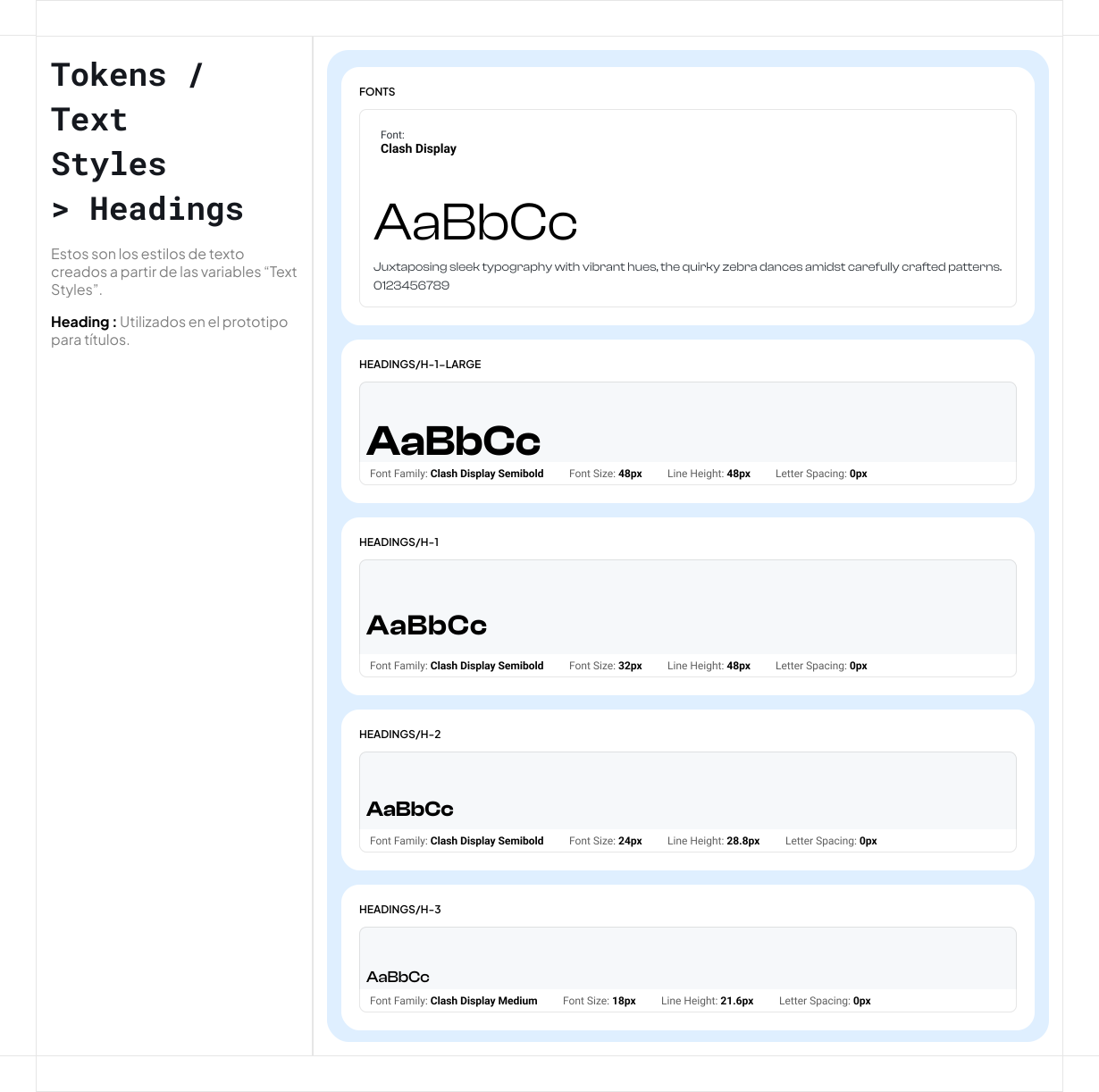
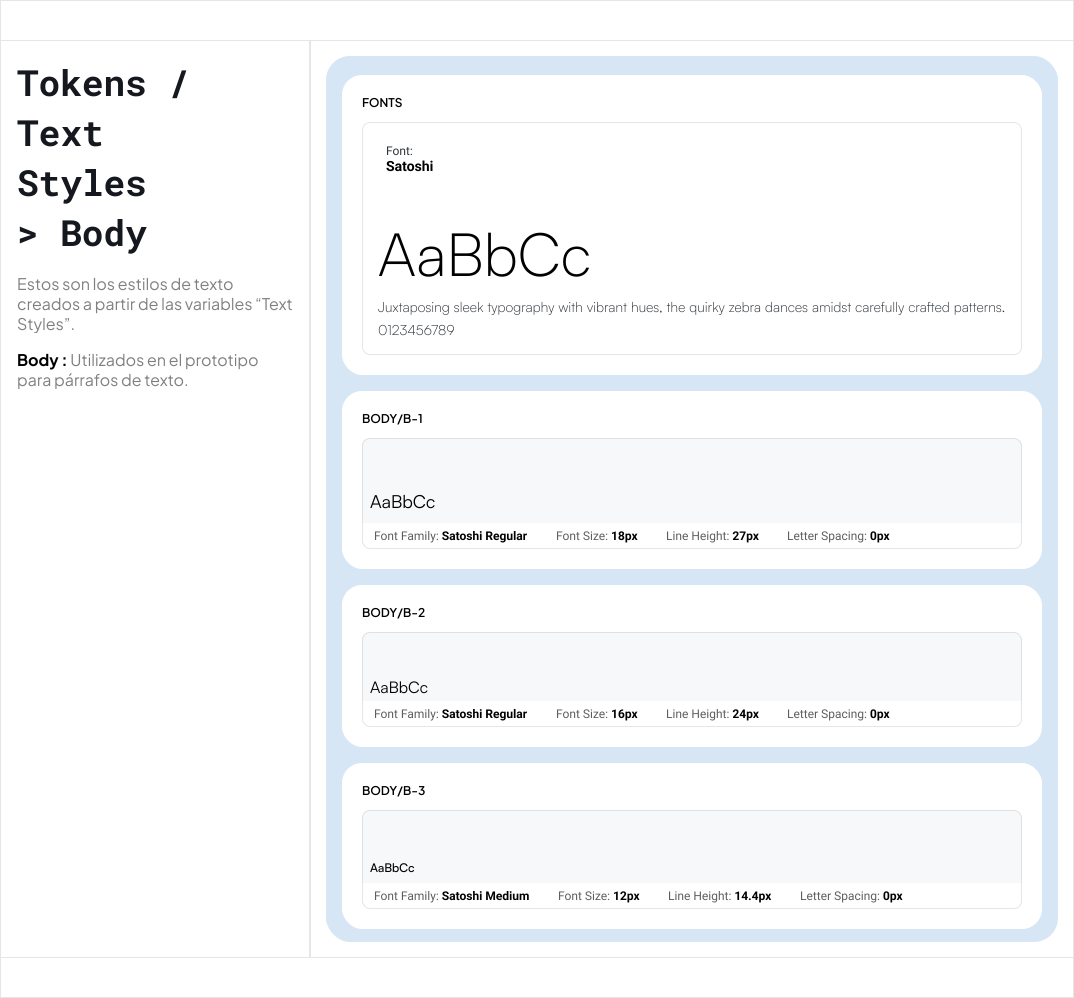
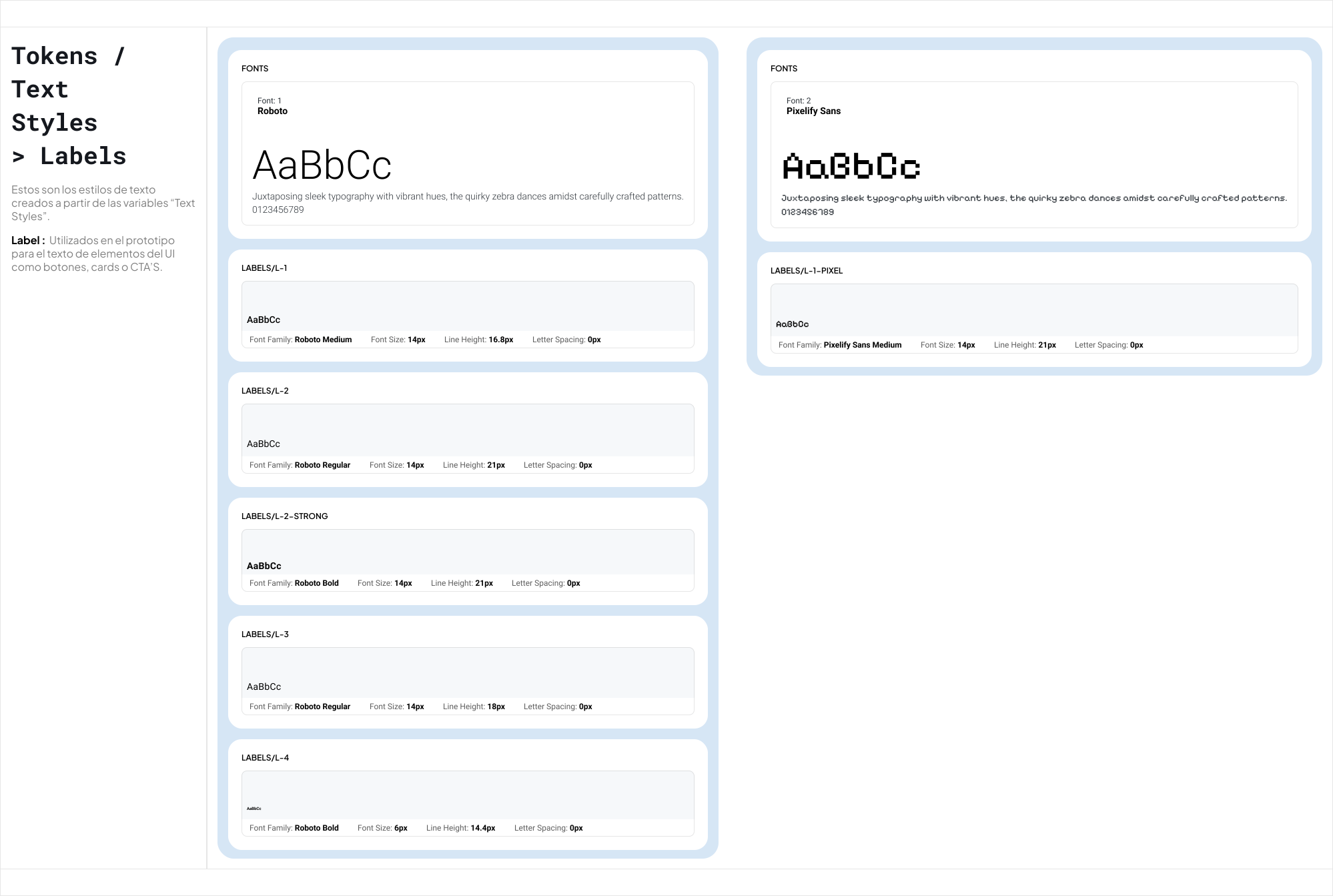
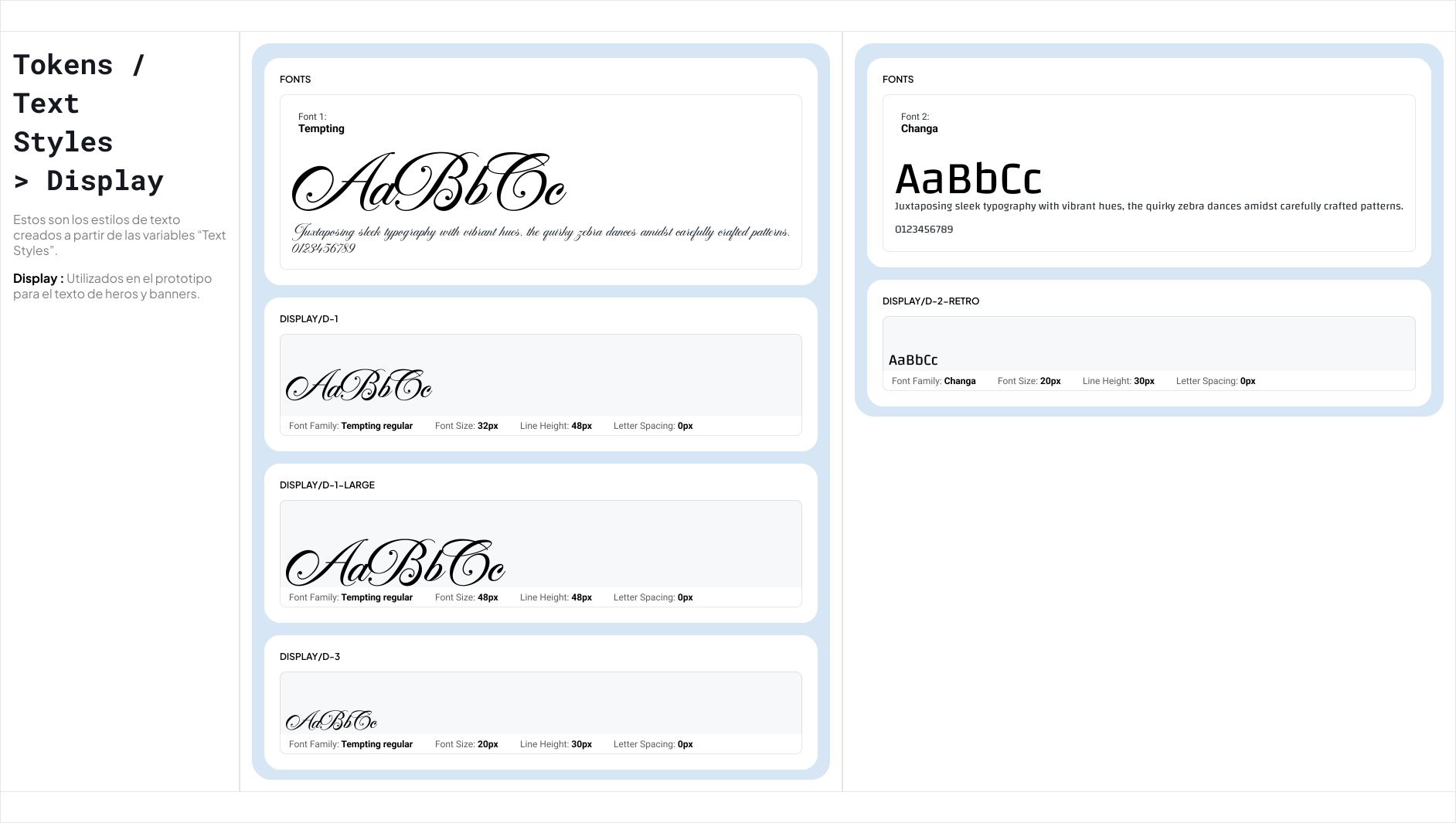
I went for a combination of various fonts: Tempting, Barlow and Pixelify Sans. It all evokes a chaotic yet fresh look and feel.
Logotype
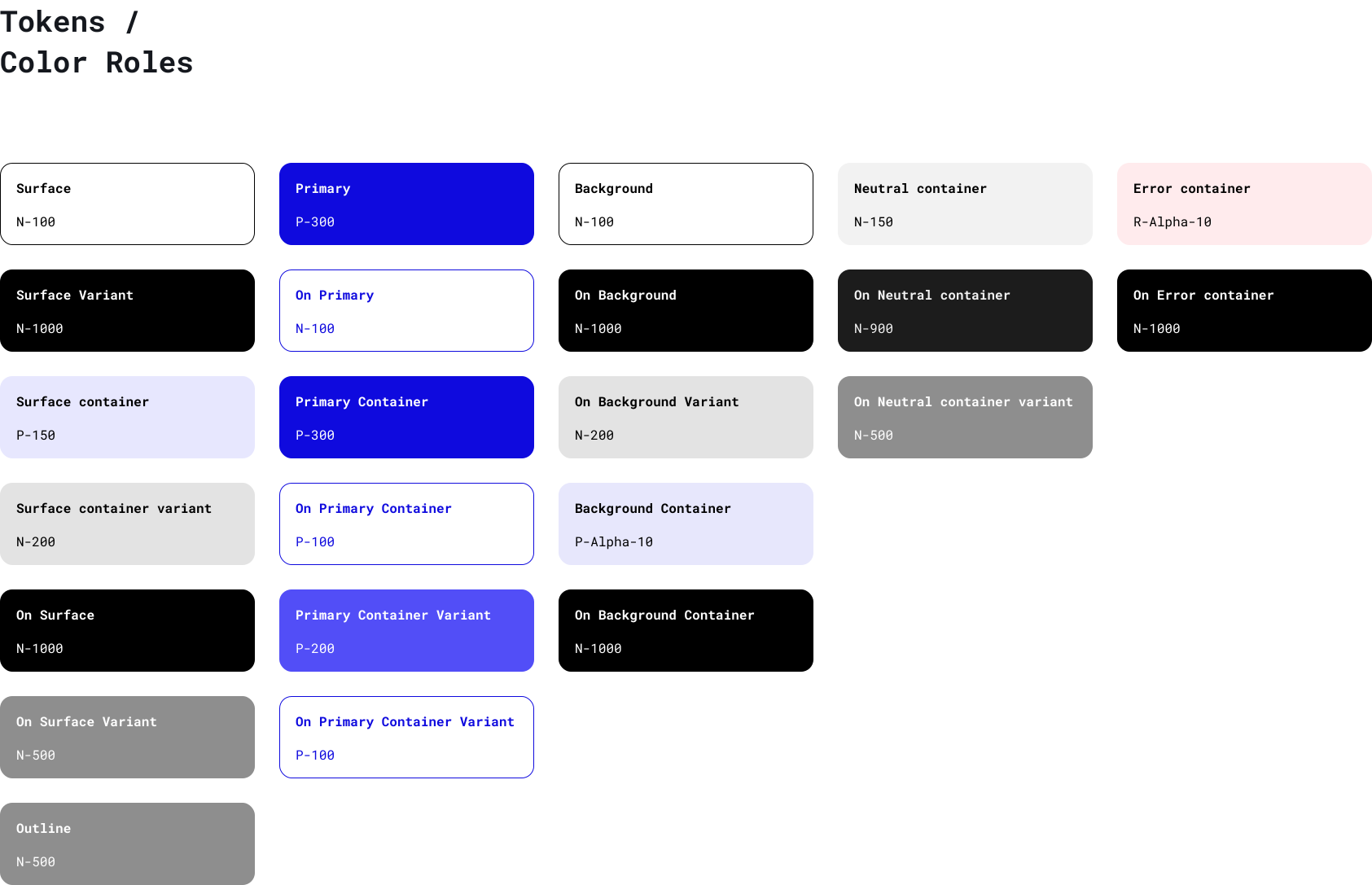
I adjusted the character weights and placed the logotype in an ellipse, adding contrast and the brand’s primary color #0F0ADE.
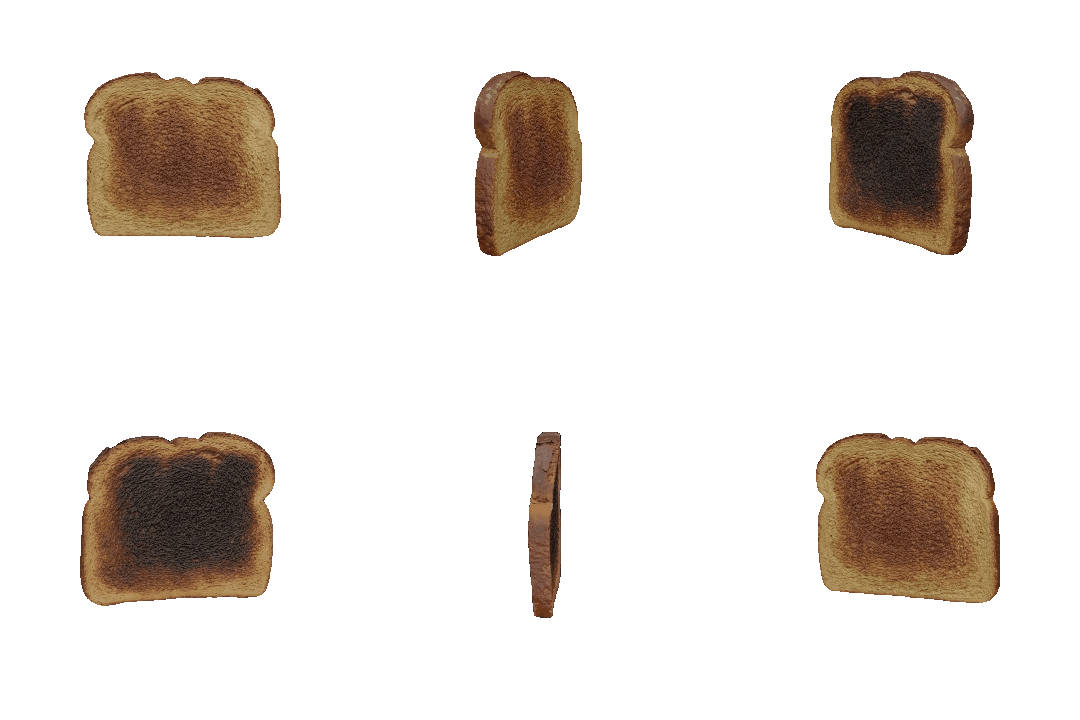
Why a burnt piece of toast?
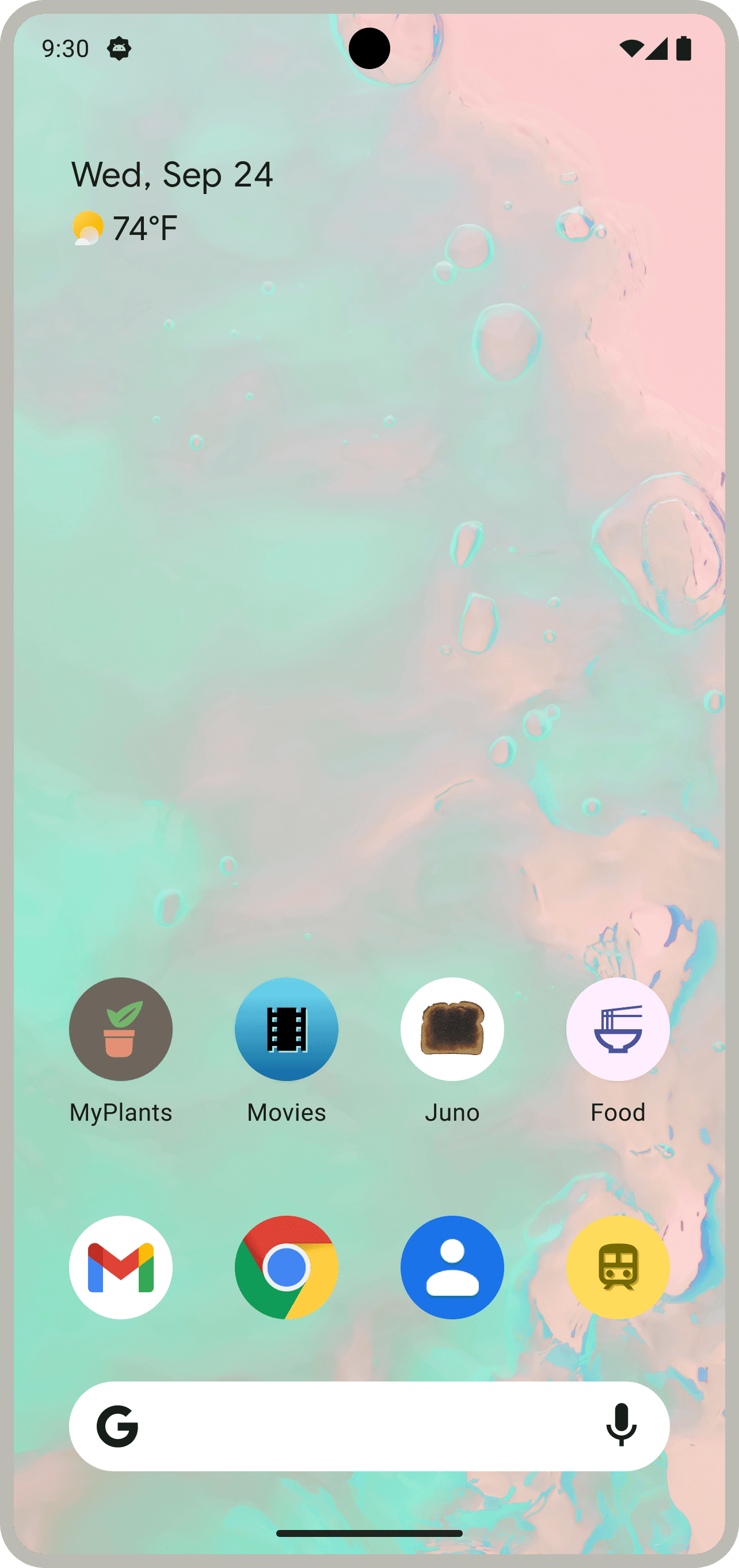
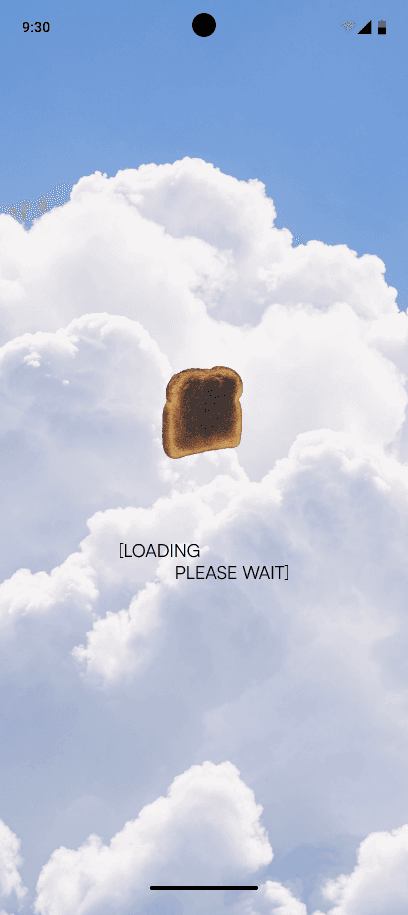
For the app icon, I went for a burnt piece of toast. The project centers on everyday tasks young people face, with a message that it’s okay when things don’t go perfectly—life is messy and imperfect, and that’s normal. The burnt toast captures this idea while its raw, analog look ties into the project’s Y2K trashy aesthetic. It's also integrated into the app as a loading element.
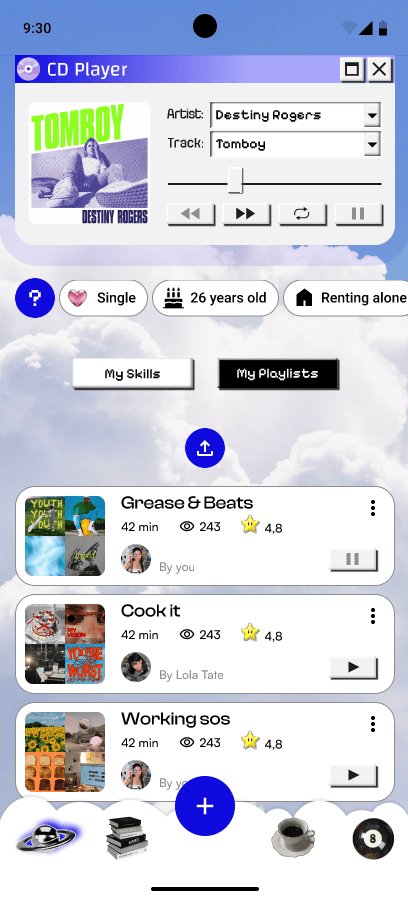
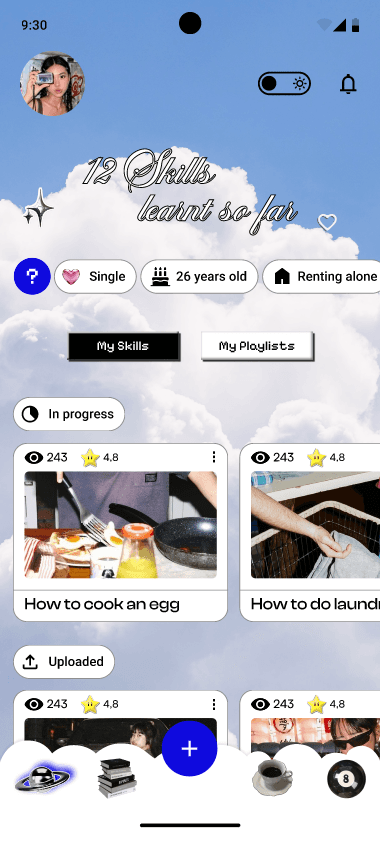
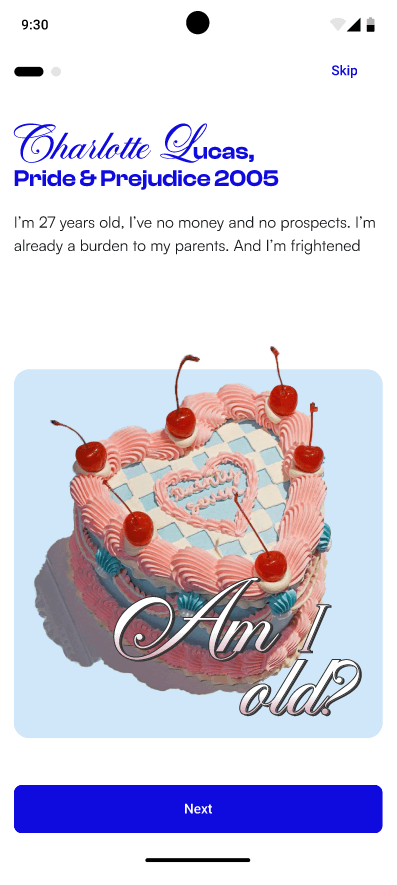
Mobile phones showing the first ui-styled screens: onboarding, loading page, daily-fact, home/my skills, home/my playlists.
As soon as you access the app, you get a Daily Fact. This is a instructional and funny message destined to soothe the user's daily concerns. You can always skip it too.
When you sign up for the first time, the app takes you through a Personal Quiz destined to learn a bit about the user's needs and current life situation. You can always skip it and access it again through the home screen.
This is the feature where the user can share some of their knowledge by uploading a Skill of their own. This section takes you step by step, and once uploaded you can access it through My Uploaded Skills section.
This section contains a different format where the user can read multiple chapters on Age, Body, Sex, Love, Friendship…. This is meant to gather the insights of a whole generation. It's meant to act as a direct and accessible support tool.
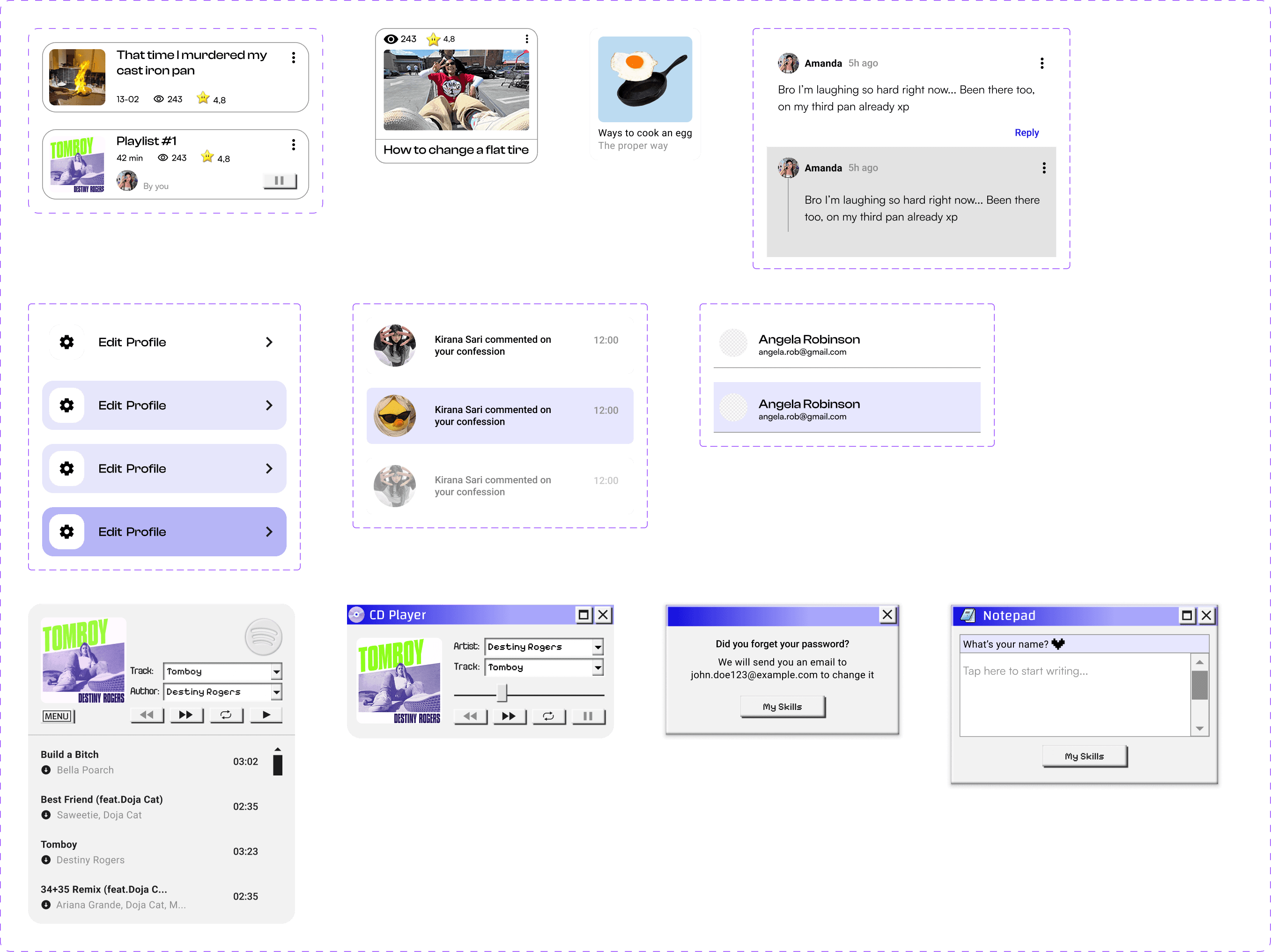
The Confessional was inspired out of every reddit post and social-media comment-section. It features anecdotic and funny stories uploaded anonymously by the Juno Community. This is meant to be a chill-out space where the user can laugh and relate to others' struggles.
Where do we go from here?
This case study could be defined as a practice-run on solving a real problem through a Design Thinking framework. However, the project was developed on a very small time frame. In the future, it would require a more polished job, especially at tweaking the problems that I'm finding even now as I write this. I would probably start by reducing the number of features into an easier matrix.
What I learned
In any product design project, all the decisions must be made around the target user. It adds consistency to the whole design process, even though it doesn't guarantee a first-made polished version. The Design Thinking framework is not a lineal process, it involves constant testing iteration to deliver a relevant product.
Thank you for your interest in my work!